Sterile Drug Manufacturing in India: What Manufacturers Need to Know
When a medicine is injected directly into the body, there is no margin for avoidable contamination.
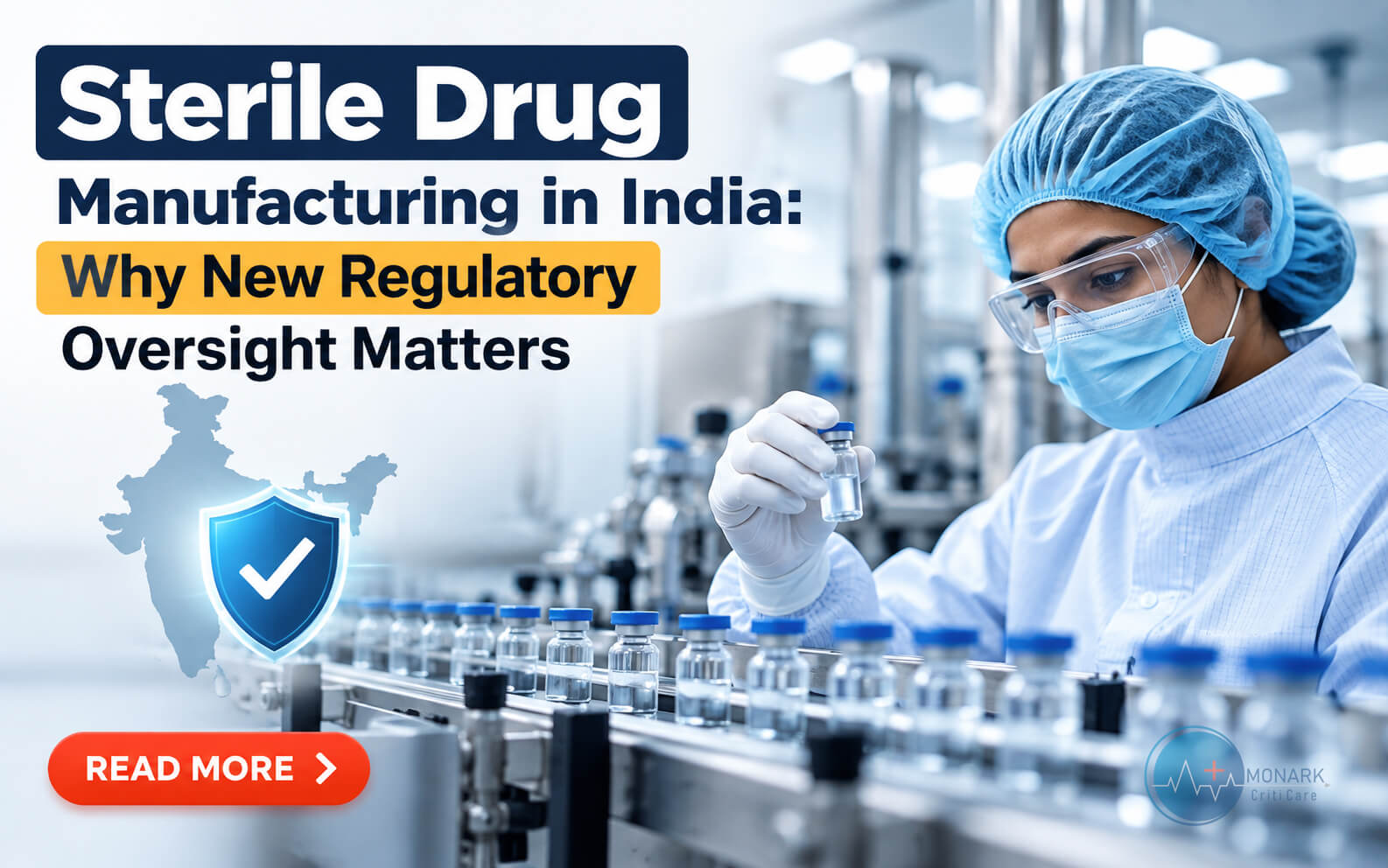
That simple fact explains why sterile drug manufacturing in India demands a much higher level of process control than ordinary pharmaceutical production. From the manufacturing environment and air quality to personnel practices, equipment, filling operations, testing, and batch release, every stage has a role in protecting product quality.
And the regulatory environment is becoming more demanding.
With greater attention on revised Schedule M, GMP systems, contamination control, validation, documentation, and risk-based inspections, sterile manufacturers need to look beyond simply producing a medicine. They need systems that can demonstrate how quality is built into every stage of manufacturing.
For pharmaceutical companies, distributors, hospitals, and businesses exploring third-party pharmaceutical manufacturing, this raises an important question:
What should manufacturers actually check before producing or sourcing sterile medicines in India?
Let's break it down.
Why Does Sterile Manufacturing Need Greater Regulatory Oversight?
Sterile drug manufacturing requires strict controls because injectable and other sterile products must be manufactured in an environment designed to minimise microbial and particulate contamination.
Modern regulatory expectations increasingly focus on:
- Sterile pharmaceutical GMP
- Aseptic processing
- Contamination control
- Environmental monitoring
- Cleanroom requirements
- Equipment qualification
- Process validation
- Personnel training
- Pharmaceutical quality control
- Batch documentation and release
- Sterility assurance
The objective is simple: quality should be designed into the manufacturing process, not checked only after production is complete.
What Is Sterile Drug Manufacturing?
Sterile drug manufacturing refers to the production of pharmaceutical products that must meet appropriate sterility requirements and be protected from contamination throughout manufacturing, filling, packaging, and release.
This is particularly important for medicines administered through routes where contamination can create serious quality and safety concerns.
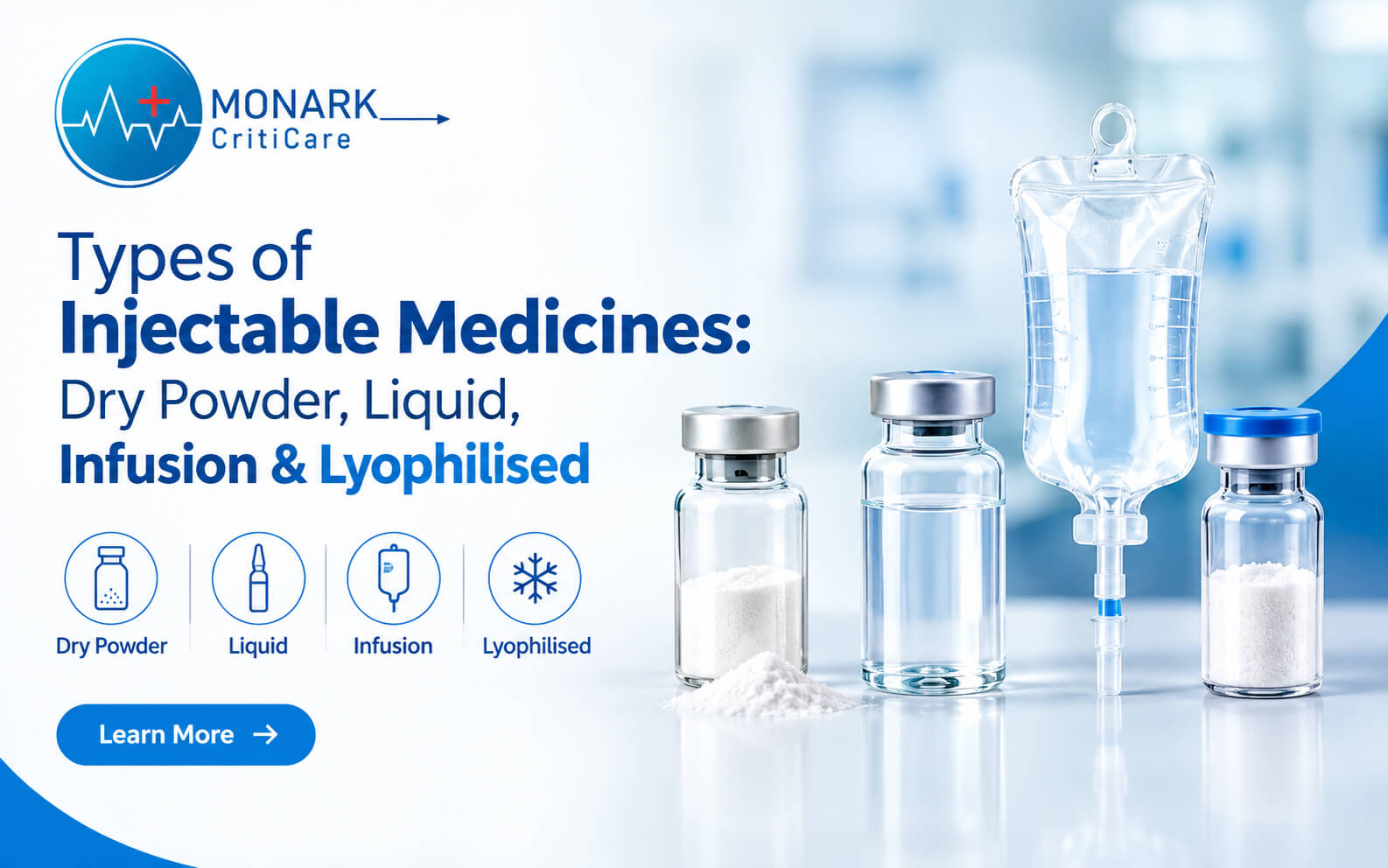
Common sterile products include:
- Injectable medicines
- IV infusion products
- Dry powder injections
- Liquid injectable medicines
- Lyophilised injections
- Other sterile parenteral preparations
Unlike conventional tablets or capsules, sterile products often require highly controlled manufacturing environments.
The sterile drug manufacturing process can involve multiple interconnected activities, including raw material handling, solution preparation, sterilisation or aseptic processing, filtration, filling, sealing, inspection, testing, and final release.
Every step must be controlled according to the product and manufacturing process.
Why Is Sterile Pharmaceutical Manufacturing So Sensitive?
Think about an injectable medicine.
Once the product is prepared, filled, sealed, and released, the manufacturer needs confidence that the process has protected it from unacceptable contamination.
That is why sterility assurance is not based on a single test.
Instead, it depends on a complete system.
The Main Risk Areas Include:
1. Microbial Contamination
Microorganisms can enter a process through people, materials, equipment, air, water, or inadequate procedures.
2. Particulate Contamination
Particles can originate from equipment, packaging, personnel, or the surrounding environment.
3. Poor Aseptic Practices
Improper movement, gowning, handling, or interventions can increase contamination risk.
4. Inadequate Environmental Controls
Controlled areas require appropriate monitoring and maintenance.
5. Weak Documentation
If a manufacturing activity is not properly documented, it becomes harder to demonstrate process consistency and traceability.
This is why contamination control sits at the heart of modern sterile manufacturing.
Sterile Drug Manufacturing Process: What Happens Behind the Product?
A finished injectable may look simple, but its manufacturing journey is anything but.
The exact process varies according to formulation and product type, but sterile production generally involves several controlled stages.
1. Raw Material and Component Control
Manufacturing begins with appropriate control of raw materials, containers, closures, and other components.
Material specifications, supplier controls, storage conditions, sampling, testing, and traceability all contribute to product quality.
2. Preparation and Processing
Depending on the product, ingredients may be dissolved, mixed, filtered, processed, or otherwise prepared under controlled conditions.
The process needs to follow approved procedures and established parameters.
3. Sterilisation or Aseptic Processing
Some products may undergo an appropriate sterilisation process, while others may require aseptic processing because of their formulation or characteristics.
The manufacturing approach depends on the individual product and validated process.
4. Sterile Filling
The prepared product is transferred into the appropriate container and filled under controlled conditions.
Sterile filling is a critical stage because the product and container system must remain protected from contamination.
5. Sealing and Inspection
Containers are appropriately closed and inspected according to established procedures.
Visual inspection and other applicable controls help identify potential defects.
6. Quality Testing
Samples may undergo applicable testing according to approved specifications.
This is where pharmaceutical quality control becomes particularly important.
7. Batch Review and Release
Before distribution, manufacturing and quality records are reviewed according to the company's approved quality system.
Batch testing and release should be supported by appropriate documentation, test results, and quality review.
What Has Changed in India's Regulatory Environment?
The biggest change for manufacturers is not simply “more regulation.” It is a stronger emphasis on systematic GMP compliance.
India's revised Schedule M framework has increased expectations around pharmaceutical manufacturing practices, premises, plant, equipment, quality systems, and associated controls.
For sterile-product manufacturers, CDSCO has also specifically highlighted applicable requirements relating to sterile pharmaceutical GMP and WHO guidance.
This means manufacturers need to look at the entire production ecosystem.
A compliant facility isn't simply one with modern equipment.
It also needs:
- Suitable premises
- Controlled manufacturing areas
- Appropriate equipment
- Qualified systems
- Validated processes
- Trained personnel
- Effective documentation
- Environmental monitoring
- Quality control
- Deviation and CAPA systems
- Appropriate batch-release procedures
The emphasis is increasingly on consistent control and documented evidence.
Revised Schedule M: What Should Sterile Manufacturers Pay Attention To?
The revised requirements make it important for manufacturers to regularly evaluate their current systems.
Rather than waiting for an inspection to identify weaknesses, manufacturers can conduct internal GMP gap analysis.
Here are some of the areas worth reviewing.
Facility and Cleanroom Controls
The physical manufacturing environment plays an important role in sterile production.
Manufacturers should evaluate:
- Cleanroom design
- Area classification
- Air handling systems
- HVAC performance
- HEPA filtration
- Pressure differentials
- Personnel movement
- Material movement
- Cleaning and disinfection
The objective is to establish a controlled environment appropriate for the manufacturing operation.
Equipment Qualification
Critical manufacturing equipment should be appropriately qualified, maintained, and monitored.
This can include equipment used for:
- Product preparation
- Filtration
- Filling
- Sealing
- Sterilisation
- Inspection
- Environmental monitoring
Equipment qualification provides documented evidence that equipment is suitable for its intended purpose.
Validation
Manufacturers also need to consider applicable process validation, cleaning validation, sterilisation validation, and other qualification activities.
Validation should not be treated as a one-time paperwork exercise.
It should support confidence that a process can repeatedly produce the intended result.
Environmental Monitoring
A sterile facility requires appropriate environmental monitoring.
Depending on the area and process, monitoring can address factors such as:
- Microbial conditions
- Airborne particles
- Surfaces
- Personnel
- Controlled environments
Most importantly, manufacturers should look at trends, not just individual results.
Sterile Manufacturing Compliance Checklist for 2026
A practical checklist can make regulatory preparation much easier.
|
Area |
What to Check |
|
Facility |
Cleanroom design, layout and controlled areas |
|
HVAC |
Airflow, filtration and pressure control |
|
Aseptic Processing |
Procedures, interventions and operator practices |
|
Environmental Monitoring |
Microbial and particulate monitoring |
|
Equipment |
Qualification, calibration and maintenance |
|
Validation |
Process, cleaning and sterilisation validation |
|
Personnel |
Training, gowning and hygiene |
|
Water Systems |
Appropriate pharmaceutical water controls |
|
Quality Control |
Sampling, testing and specifications |
|
Documentation |
SOPs, batch records and quality records |
|
CAPA |
Investigation and corrective/preventive action |
|
Batch Release |
Quality review and authorised release |
This checklist can also help companies preparing for an internal audit or reviewing a prospective manufacturing partner.
Why Pharmaceutical Quality Control Matters
Manufacturing quality doesn't stop when the product leaves the production area.
Pharmaceutical quality control provides an important layer of verification.
Depending on the product, quality control activities may involve appropriate testing of:
- Raw materials
- Packaging materials
- In-process samples
- Finished products
- Microbiological parameters
- Other product-specific quality attributes
Testing should be performed according to approved procedures and specifications.
What About a Certificate of Analysis?
A certificate of analysis for pharmaceutical products provides documented analytical information associated with a particular batch.
For pharmaceutical buyers and business partners, appropriate documentation can help establish traceability and support quality review.
However, a certificate alone should not be considered a substitute for a comprehensive pharmaceutical quality system.
Choosing a Pharmaceutical Injectable Manufacturer in India
For pharmaceutical companies looking for a pharmaceutical injectable manufacturer in India, production capacity is only one part of the decision.
A more complete evaluation should consider the manufacturer's:
- Manufacturing infrastructure
- Product capabilities
- Quality systems
- Testing facilities
- Documentation practices
- Validation systems
- Regulatory readiness
- Packaging capabilities
- Batch release procedures
- Supply capabilities
This becomes particularly important when outsourcing production.
A company considering third-party pharmaceutical manufacturing should understand what responsibilities belong to the manufacturer and what responsibilities remain with the marketing authorisation holder or contracting company.
Different Injectable Manufacturing Capabilities
Not all sterile products are manufactured in the same way.
Depending on the product portfolio, companies may require different manufacturing capabilities.
➜ Lyophilised Injectable Manufacturing
Lyophilised injectable manufacturing involves freeze-drying a suitable formulation to improve stability and create a product that can be reconstituted before administration.
➜ IV Infusion Manufacturing
IV infusion manufacturing involves products intended for intravenous administration and requires appropriate formulation, container, filling, and quality controls.
➜ Dry Powder Injection Manufacturing
Dry powder injection manufacturing is used for suitable formulations where the active ingredient is provided in a dry form for reconstitution.
➜ Liquid Injectable Manufacturing
Liquid injectable manufacturing involves ready-to-use or appropriately packaged liquid sterile formulations.
Read more: Dry Powder, Liquid, IV Infusion & Lyophilised Injections
The right manufacturing process depends on the formulation, stability, dosage form, container system, and applicable regulatory requirements.
What Should Buyers Ask Before Outsourcing Sterile Manufacturing?
If you are considering a manufacturing partner, don't limit the conversation to:
“What is your price per batch?”
Ask better questions.
Manufacturing
- What injectable dosage forms can you manufacture?
- What batch sizes are available?
- What packaging options are supported?
Quality
- How is environmental monitoring managed?
- How are batches tested?
- How are deviations investigated?
- What documentation is provided?
Regulatory
- What GMP systems are followed?
- How is regulatory compliance maintained?
- How are validation and qualification activities managed?
Supply
- What are typical production timelines?
- How is batch traceability maintained?
- What support is available after production?
These questions can help a pharmaceutical business assess the overall manufacturing relationship instead of comparing suppliers purely on cost.
How Regulatory Oversight Can Strengthen India's Injectable Industry
Greater regulatory attention can push manufacturers toward more disciplined quality systems.
For the Indian pharmaceutical sector, this can encourage greater focus on:
✔ Better Contamination Prevention
Manufacturers are encouraged to identify contamination risks before they affect product quality.
✔ Stronger Documentation
Clear records improve traceability and make investigations more structured.
✔ Better Process Understanding
Validation, monitoring, and trend analysis can help manufacturers understand their processes more deeply.
✔ Improved Supplier Evaluation
Pharmaceutical companies can become more selective when evaluating manufacturing partners.
✔ Greater Export Readiness
Strong manufacturing and documentation systems can also support companies exploring pharmaceutical export opportunities, where destination-market requirements may add another layer of compliance.
Monark Criticare: Supporting Sterile Pharmaceutical Manufacturing
For pharmaceutical businesses looking for manufacturing support, Monark Criticare operates from Alipur, Barwala, Panchkula, Haryana, with a focus on injectable pharmaceutical products.
Its stated product and manufacturing areas include critical care injectable products, dry powder injections, liquid injections, IV infusions, and lyophilised products.
The company also supports business models such as third-party pharmaceutical manufacturing and PCD pharma franchise.
Businesses interested in exploring its manufacturing and business services can visit the Monark Criticare Services page.
For companies evaluating different injectable formats, a related internal resource on injectable medicines can also help readers understand the different categories and applications before discussing manufacturing requirements.
Common Mistakes Sterile Manufacturers Should Avoid
Even a well-equipped facility can face compliance problems if basic systems are poorly managed.
Mistake 1: Treating GMP as Documentation Only
GMP should influence actual manufacturing practices—not just SOP files.
Mistake 2: Focusing Only on Finished-Product Testing
Testing is important, but prevention and process control are equally important.
Mistake 3: Ignoring Environmental Trends
A single result may not reveal a developing problem. Trend analysis can provide additional insight.
Mistake 4: Weak Personnel Training
Sterile manufacturing depends heavily on operator behaviour and discipline.
Mistake 5: Poor Change Control
Assess changes to equipment, processes, materials, or procedures appropriately before implementation.
Mistake 6: Choosing a Manufacturer Only on Price
For sterile medicines, manufacturing quality, documentation, compliance, and reliability deserve equal attention.
Final Takeaway
The future of sterile drug manufacturing in India is not simply about building larger facilities or adding more sophisticated equipment.
It is about building stronger systems.
Manufacturers need to understand how facility design, aseptic processing, contamination control, environmental monitoring, validation, pharmaceutical quality control, documentation, and batch release work together.
At the same time, pharmaceutical companies sourcing injectable products need to look beyond price and production capacity. The quality systems behind a product can be just as important as the product itself.
As regulatory oversight becomes more structured, manufacturers that consistently review their processes against applicable GMP and regulatory expectations can be better prepared for inspections, audits, supply-chain requirements, and changing market expectations.
For India's growing injectable pharmaceutical sector, the message is clear:
Sterility is not a final-product claim. It is the result of a controlled manufacturing system.
About Monark Criticare
Manufacturing & Office:
Plot No. 201, Ground Floor, HSIIDC Phase 1, Industrial Area Alipur, Barwala, Panchkula, Haryana 134118, India
Email: monarkcriticare@gmail.com
Phone: +91 90567 60548 | +91 98886 56719 | +91 93176 92852
WhatsApp: +91 90567 60548
Frequently Asked Questions
01. What is sterile drug manufacturing in India?
Sterile drug manufacturing in India involves producing medicines under controlled conditions designed to minimise microbial and particulate contamination and maintain the required quality of sterile products.
02. What are the main requirements for sterile pharmaceutical manufacturing?
Important areas include aseptic processing, contamination control, cleanroom controls, environmental monitoring, equipment qualification, validation, personnel training, pharmaceutical quality control, documentation, and batch release.
03. What is revised Schedule M?
Revised Schedule M establishes updated GMP-related requirements for pharmaceutical manufacturing, including requirements associated with premises, plant, equipment, quality systems, and manufacturing practices.
04. What is aseptic processing?
Aseptic processing involves handling sterile product, components, containers, and closures under controlled conditions designed to prevent contamination during manufacturing.
05. Why is contamination control important?
Contamination control helps identify and manage potential microbial, particulate, and other contamination risks throughout the manufacturing process.
06. What is sterility assurance?
Sterility assurance refers to the overall set of controls and processes used to provide confidence that a sterile product has been manufactured and maintained under appropriate conditions.
07. Can injectable manufacturing be outsourced?
Yes. Pharmaceutical companies may enter into suitable third-party pharmaceutical manufacturing arrangements, subject to applicable regulatory, quality, contractual, and product-specific requirements.
08. What should I look for in a pharmaceutical injectable manufacturer in India?
Evaluate manufacturing capabilities, quality systems, testing, documentation, validation, product formats, regulatory readiness, batch release procedures, supply reliability, and technical support.
For the latest information on sterile drug manufacturing, GMP compliance, and pharmaceutical regulatory oversight in India, readers can refer to official sources from the CDSCO and the Government of India. In March 2026, the Government reported more than 960 risk-based inspections of drug-manufacturing premises since December 2022 and more than 860 regulatory actions based on non-compliance findings. The government also confirmed the implementation timeline for revised Schedule M requirements.
Official sources: CDSCO — Latest Circulars | Government of India — Drug Quality & Regulatory Measures 2026
Disclaimer:
This article is intended for general informational purposes and reflects regulatory information available at the time of publication. Pharmaceutical manufacturing requirements, GMP standards, and CDSCO regulations may be updated periodically. Readers and manufacturers should refer to the latest official notifications and consult qualified regulatory professionals before making compliance, manufacturing, or business decisions.