Critical Care Drug Market in India: Growth Opportunities for Pharma Businesses

Complete Critical Care Product List for Pharma Franchise Business in India
May 30, 2026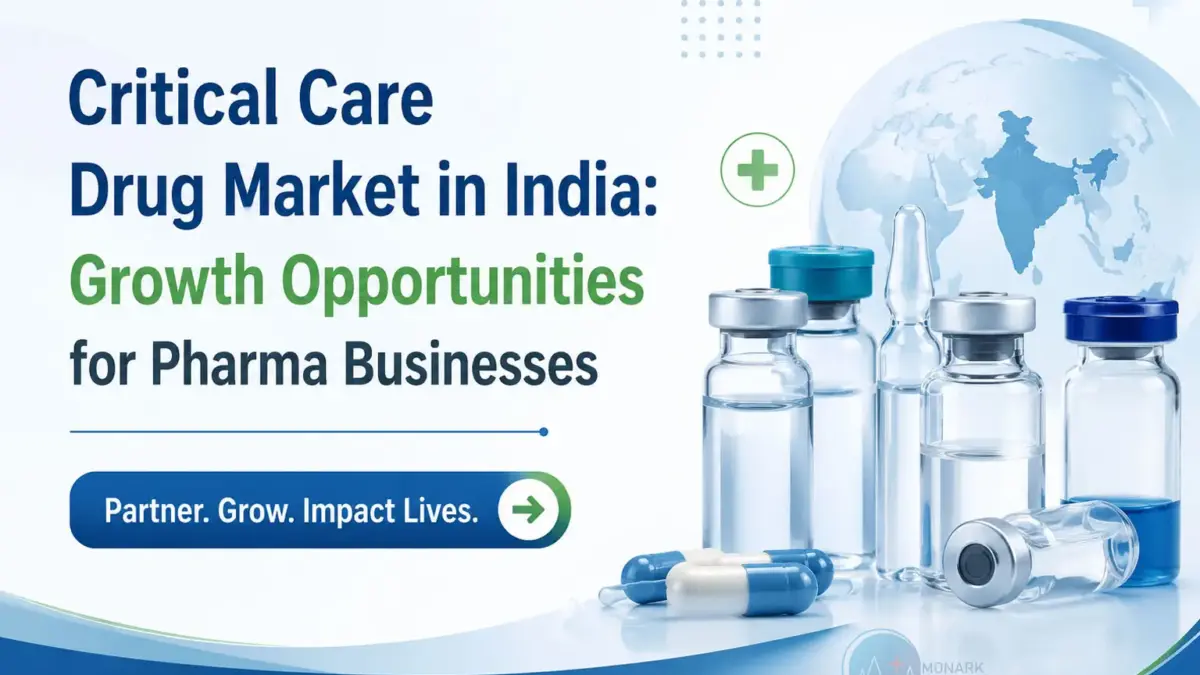
India’s healthcare industry is undergoing a remarkable transformation. With rising healthcare awareness, increasing hospital admissions, growing ICU infrastructure, and greater investments in medical technology, the demand for critical care medicines has surged significantly. This rapid expansion has created a promising landscape for pharmaceutical companies looking to strengthen their presence in one of the fastest-growing healthcare segments.
The critical care drug market in India encompasses medications used in intensive care units (ICUs), emergency departments, trauma centers, and other acute care settings. These life-saving medications play a vital role in managing severe infections, cardiac emergencies, respiratory complications, neurological disorders, and post-surgical recovery.
For pharmaceutical manufacturers, distributors, and entrepreneurs, the critical care segment presents substantial growth opportunities. Whether through manufacturing, hospital supply chains, PCD pharma franchises, or third-party manufacturing partnerships, businesses can capitalize on the growing demand for specialized critical care therapeutics.
In this article, we explore the current state of India’s critical care drug market, the factors driving growth, emerging opportunities, and the future outlook for pharma businesses.
What Is the Critical Care Drug Market?
Critical care drugs are medications specifically designed for patients suffering from life-threatening illnesses or medical emergencies. These drugs are commonly administered in intensive care units where patients require continuous monitoring and immediate medical intervention.
Some common categories of critical care medications include:
- Antibiotics and anti-infectives
- Sedatives and anesthetics
- Cardiovascular drugs
- Pain management medications
- Respiratory care drugs
- Emergency injectables
- Nutritional support therapies
The growing prevalence of chronic diseases, infectious conditions, trauma cases, and surgical procedures has significantly increased the demand for critical care medicines across India.
Overview of India’s Critical Care Drug Market
India has emerged as one of the world’s largest pharmaceutical manufacturing hubs. Alongside this growth, the critical care pharmaceuticals segment has gained considerable momentum due to increasing healthcare expenditure and expanding hospital infrastructure.
Several factors are contributing to market expansion:
- Rising number of multispecialty hospitals
- Increased ICU bed capacity
- Growing incidence of chronic diseases
- Improved emergency healthcare services
- Greater access to health insurance
- Expansion of private healthcare facilities
The demand for ICU medications and hospital injectable drugs continues to rise across metropolitan cities as well as Tier-2 and Tier-3 regions, creating new opportunities for pharmaceutical businesses.
Key Growth Drivers Fueling Market Expansion
Rising Burden of Chronic Diseases
India is witnessing a steady increase in chronic health conditions such as cardiovascular diseases, diabetes, respiratory disorders, kidney diseases, and cancer. Many of these conditions often require hospitalization and intensive care management.
As a result, hospitals are increasingly relying on intensive care drugs, emergency care medicines, and specialized therapeutic solutions to improve patient outcomes.
Expansion of Healthcare Infrastructure
The healthcare sector has seen significant investments in recent years. New hospitals, specialty clinics, and critical care centers are being established across the country.
This expansion has directly increased the demand for:
- Hospital injectable drugs
- Acute care pharmaceuticals
- Emergency medications
- Critical care therapeutics
Healthcare infrastructure development is expected to remain one of the strongest growth catalysts for the critical care drug market in India.
Increasing ICU Admissions
The growing prevalence of severe infections, surgical procedures, trauma cases, and age-related illnesses has resulted in higher ICU admissions nationwide.
As hospitals continue expanding their critical care departments, the need for high-quality ICU drugs and life-saving medications is expected to increase substantially.
Opportunities for Pharma Manufacturers
For pharmaceutical manufacturers, critical care represents one of the most promising therapeutic segments.
Expanding Product Portfolios
Manufacturers can strengthen their market position by developing:
- Injectable antibiotics
- Critical care infusions
- Emergency medicines
- Cardiovascular therapies
- Respiratory care solutions
Businesses focusing on innovation and quality standards are likely to gain a competitive advantage in this rapidly growing market.
Third-Party Manufacturing Opportunities
Many emerging pharmaceutical brands prefer outsourcing production rather than investing in manufacturing facilities.
Companies offering third-party manufacturing services can leverage this demand by providing cost-effective and compliant production solutions for critical care products.
Growing Demand for Infusion Products
Infusions remain an essential component of critical care treatment. As hospitals continue to increase their patient care capacity, the demand for infusion therapies continues to rise.
Businesses can explore opportunities through Infusion Manufacturer Suppliers in India partnerships to strengthen their supply capabilities and expand market reach.
Emerging Opportunities for PCD Pharma Businesses
The PCD pharma franchise model has become one of the most attractive business opportunities in the pharmaceutical sector.
Why Critical Care Franchise Businesses Are Growing
Several factors contribute to the popularity of critical care franchise models:
- Increasing hospital demand
- Lower operational risks
- Wider market reach
- Strong profit potential
- Growing product demand
Entrepreneurs interested in healthcare distribution can explore opportunities through PCD Franchise Services and PCD Pharma Franchise models focused on critical care therapeutics.
High-Demand Franchise Categories
Among the fastest-growing segments are:
- Critical Care Products Franchise
- Injectable product franchises
- ICU medicine distribution
- Hospital supply franchises
For those looking to enter the market, reviewing a Complete Critical Care Product List for Pharma Franchise Business in India can help identify high-demand product categories and target markets.
Fastest-Growing Segments in the Critical Care Market
Not all critical care categories are growing at the same pace. Some segments are experiencing stronger demand due to evolving treatment requirements.
1. Injectable Medications
Injectable products remain the backbone of critical care treatment.
These medications offer:
- Rapid action
- Accurate dosing
- Better bioavailability
- Emergency response effectiveness
2. Anti-Infective Therapies
The growing incidence of severe bacterial infections and sepsis has significantly increased demand for advanced anti-infective medications.
Hospitals continue prioritizing high-quality antibiotics and critical care injectables to manage infection-related complications effectively.
3. Sedatives and Anesthetics
Critical care settings frequently require sedatives and anesthetic drugs for patient stabilization, ventilator support, and surgical recovery.
The anesthetic drug market continues to grow alongside increasing surgical procedures and ICU admissions.
4. Respiratory Care Products
Respiratory disorders have become increasingly common in India.
This has led to higher demand for:
- Ventilator-support medications
- Respiratory therapies
- Emergency pulmonary care products
Why Is the Critical Care Drug Market Growing in India?
The critical care drug market in India is growing due to rising ICU admissions, increasing prevalence of chronic diseases, expanding healthcare infrastructure, greater government healthcare investments, and growing demand for emergency and life-saving medications. These factors are creating significant opportunities for pharmaceutical manufacturers, distributors, and critical care franchise businesses.
Market Opportunities for Pharma Businesses
| Opportunity Area | Business Potential |
| Critical Care Manufacturing | High |
| Third-Party Manufacturing | High |
| PCD Pharma Franchise | High |
| Hospital Supply Distribution | Medium-High |
| Infusion Products | High |
| Injectable Medicines | High |
| ICU Drug Distribution | Medium-High |
| Export Markets | High |
Businesses that establish strong relationships with hospitals, distributors, and healthcare institutions are likely to experience sustained growth in the coming years.
Future Outlook of the Critical Care Drug Market in India
The future of the critical care pharmaceutical sector appears highly promising.
Several trends are expected to shape the market:
Technological Advancements
Healthcare providers are increasingly adopting advanced treatment protocols and evidence-based therapies.
This trend is encouraging innovation in critical care therapeutics and driving demand for more specialized pharmaceutical products.
Government Healthcare Investments
Government programs focused on healthcare accessibility and hospital development continue to strengthen the overall pharmaceutical ecosystem.
These initiatives support long-term pharmaceutical market growth in India and create favorable conditions for critical care drug manufacturers.
Increasing Demand in Tier-2 and Tier-3 Cities
Healthcare infrastructure development is no longer limited to metropolitan regions.
Smaller cities are witnessing rapid growth in:
- ICU facilities
- Emergency care units
- Specialty hospitals
- Advanced diagnostic centers
This expansion is creating substantial opportunities for specialty pharmaceuticals in India and critical care-focused businesses.
Explore New Opportunities in the Critical Care Segment
The critical care pharmaceutical sector is no longer limited to large manufacturers. Today, distributors, entrepreneurs, and healthcare professionals are actively entering this high-demand market through franchise partnerships and specialized product portfolios.
If you’re planning to expand your pharmaceutical business, consider exploring:
- PCD Pharma Franchise opportunities
- Critical Care Products Franchise models
- Third-party manufacturing partnerships
- Hospital-focused injectable product ranges
- Infusion product distribution opportunities
A well-structured critical care portfolio can help you establish a stronger presence in hospitals, nursing homes, and healthcare institutions across India.
Conclusion
The critical care drug market in India is entering a period of significant expansion driven by increasing ICU admissions, healthcare infrastructure development, and rising demand for life-saving medications. From pharmaceutical manufacturers and infusion suppliers to PCD franchise businesses and hospital distributors, the opportunities are substantial and diverse.
As India’s healthcare sector continues to evolve, businesses that focus on quality, innovation, regulatory compliance, and strategic partnerships will be well-positioned to capture long-term growth. Whether through critical care manufacturing, franchise development, or hospital supply networks, now is an ideal time to invest in one of the most promising segments of the pharmaceutical industry.
Contact Monark Criticare
For Critical Care Pharma Franchise, Third-Party Manufacturing, and Critical Care Product Solutions:
Email: monarkcriticare@gmail.com
Address: Plot No. 201, Ground Floor, HSIIDC, Phase 1, Industrial Area, Alipur, Barwala (PKL), Haryana – 134118, India
Phone:
+91 90567 60548
+91 98886 56719
+91 93176 92852
Frequently Asked Questions
What is the critical care drug market in India?
The critical care drug market includes medicines used in intensive care units, emergency departments, and acute care settings to treat life-threatening conditions and medical emergencies.
Why is the demand for ICU drugs increasing in India?
The demand is increasing due to rising chronic diseases, expanding hospital infrastructure, growing ICU admissions, and greater healthcare awareness.
Which critical care segment is growing the fastest?
Injectable medications, anti-infective therapies, respiratory care products, and infusion therapies are among the fastest-growing segments.
Are critical care pharma franchises profitable?
Yes. Due to consistent hospital demand and increasing healthcare investments, critical care pharma franchises offer significant business potential and long-term growth opportunities.
What opportunities exist for pharmaceutical manufacturers?
Manufacturers can benefit through critical care product development, third-party manufacturing services, infusion production, hospital supply partnerships, and franchise expansion models.